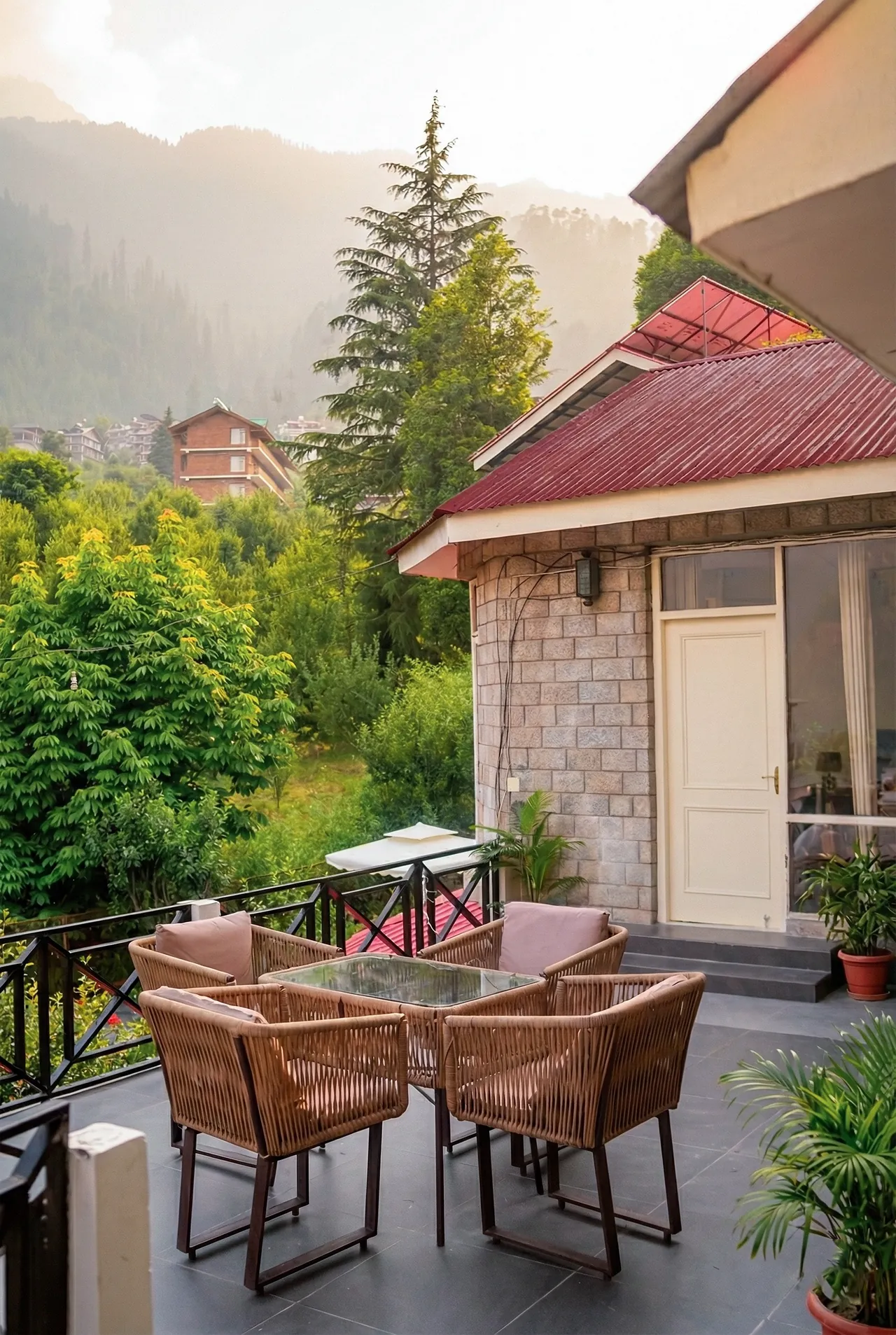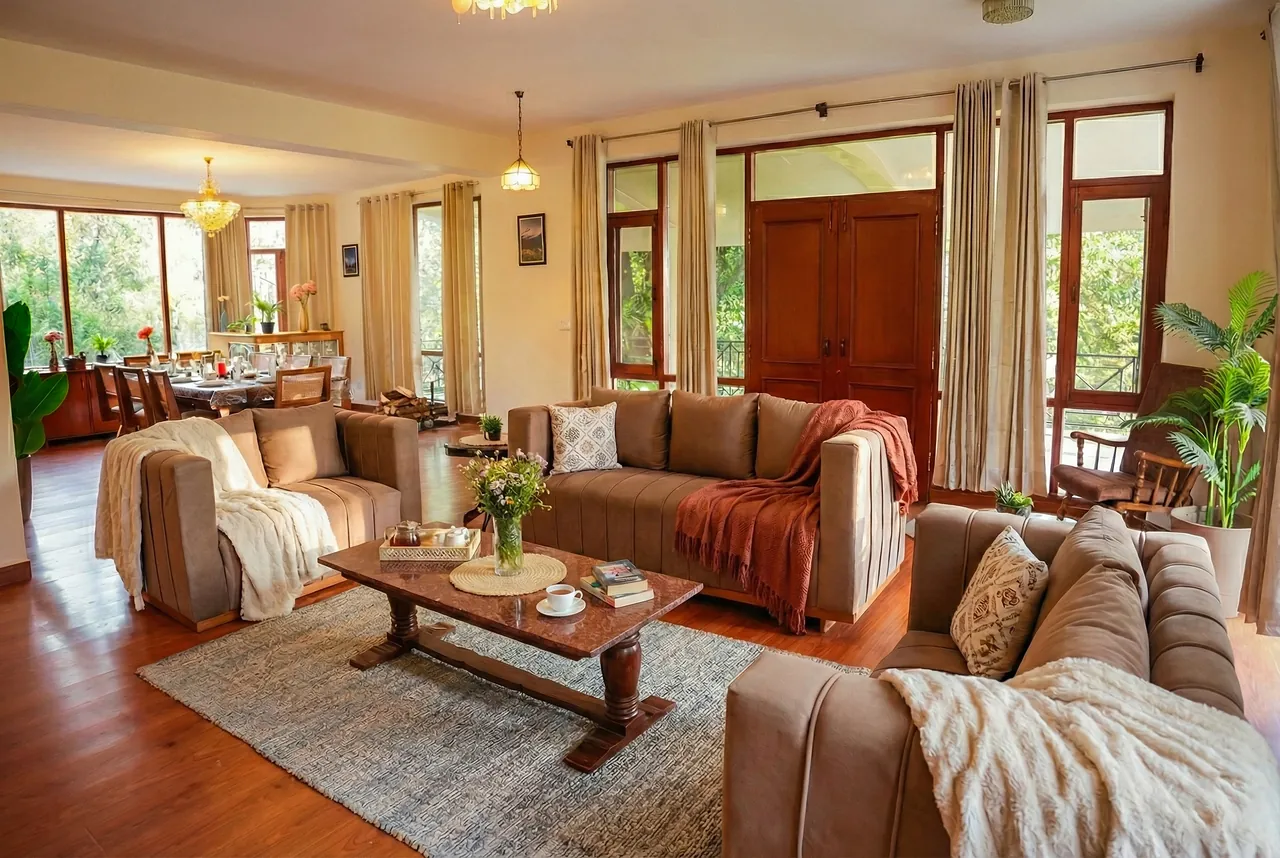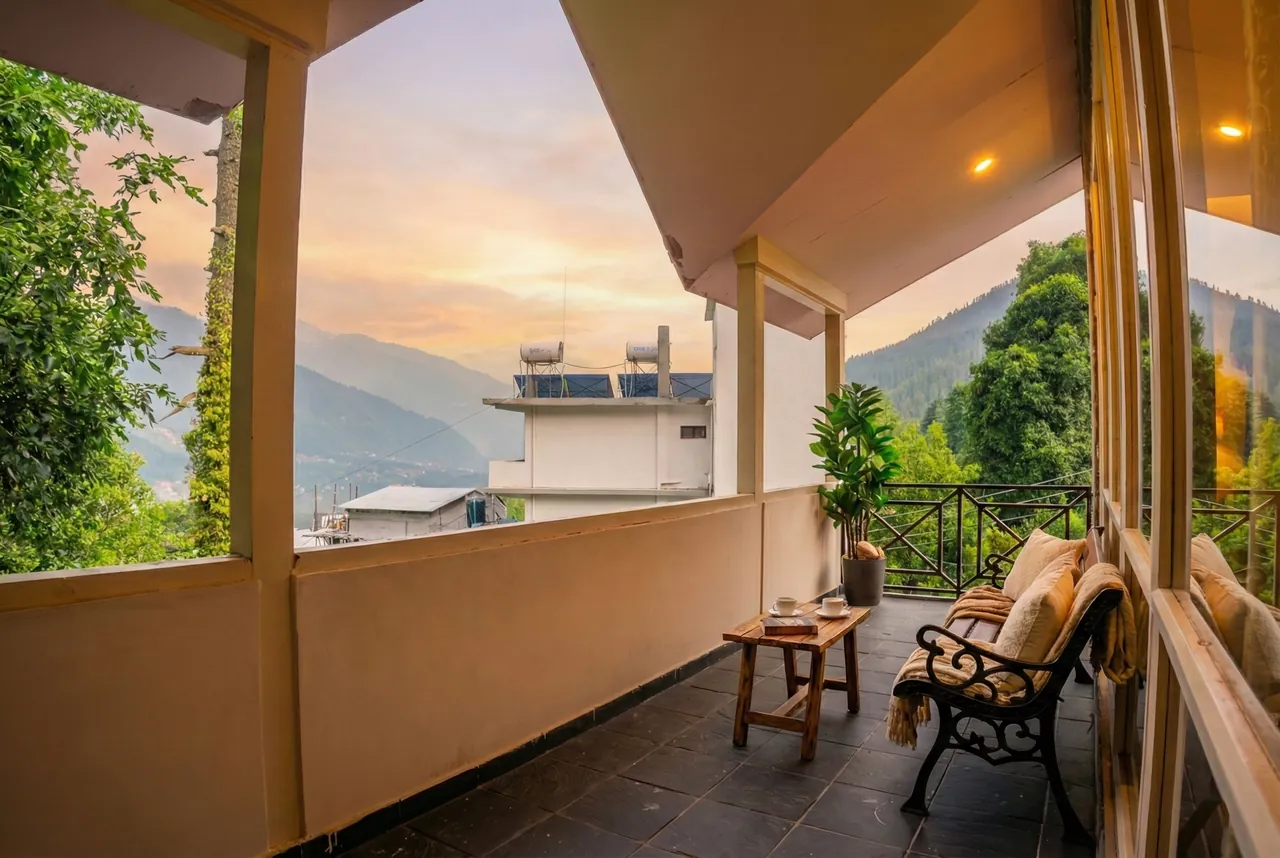
There's no single best time to visit Manali — but there are months that are clearly better for what you're hoping to do. This is the no-marketing, month-by-month version, written from a cottage that watches the seasons turn.
Most "best time" articles online tell you the same thing: visit Manali between March and June or September and November. That's not wrong, but it's also so vague it doesn't help you plan. The truth is each month feels like a different town. The crowds change, the temperatures swing 25 degrees across seasons, and what's beautiful in October is closed in February.
Here's the honest version, month by month, so you can match the trip you're imagining to the time you actually go.
The very short answer
If you want clear skies and the iconic Manali experience: late September to mid-November.
If you want snow without freezing: late January to mid-February.
If you want the cheapest, quietest trip: July or early August (with monsoon caveats).
If you want flowers, mild weather, and not too many crowds: March or April.
What to avoid: mid-May to late June (peak family-tourist chaos and inflated prices) and December 24–January 2 (overpriced, fully booked, snow not guaranteed).
The full month-by-month breakdown
| Month | Day temp | Night temp | Crowd level | Price level |
|---|---|---|---|---|
| January | 5–10°C | −5–2°C | Low–Medium | Medium |
| February | 7–12°C | −3–4°C | Medium | Medium |
| March | 10–18°C | 2–8°C | Medium | Medium |
| April | 15–22°C | 5–10°C | Medium–High | Medium–High |
| May | 18–25°C | 10–14°C | Very High | High |
| June | 20–28°C | 12–16°C | Very High | High |
| July | 18–25°C | 13–17°C | Low | Low |
| August | 17–24°C | 13–17°C | Low–Medium | Low |
| September | 15–22°C | 8–13°C | Medium | Medium |
| October | 10–20°C | 4–10°C | Medium–High | Medium–High |
| November | 5–15°C | −1–6°C | Medium | Medium |
| December | 2–10°C | −4–2°C | High (last week) | High (last week) |
The seasons, properly
Late January to mid-February — the snow window
If you're chasing snow, this is when. Manali itself gets snowfall a few times each winter (varies year to year), and Solang Valley above is reliably white. Roads stay open. Cafés stay open. There's a quietness to the town you don't get any other time.
Pack heavy. Nights drop below freezing. Daytime is sunny but bracing — bright snow, blue sky, very cold air. Carry layers, gloves, proper boots. Many smaller homestays close their less-insulated rooms; book a place with proper heating (room heaters, working fireplace, hot water that doesn't fail).
The downside: limited day-trip options. Rohtang is closed. Some upper villages are inaccessible. You're trading "things to do" for "things to feel."
March — the gentle reopening
Most beautiful month nobody talks about. Snow still on upper peaks, but the valley starts to warm. Apple and apricot trees bud. Days are 15–20°C, nights cold but not bitter. Crowds are minimal because schools are still in session and the "Manali season" hasn't officially started in tourist consciousness.
Best month for a quiet, photogenic trip. Cafés are reopening. Roads are clear. Prices are still off-season. If you want Manali at its most peaceful, this is it.
April — spring proper
Apricot and apple blossoms peak in early April. Daytime warm enough for shirt-sleeves; nights still need a layer. Solang opens up fully. Weather is reliably good — clear, mild, occasional showers.
Crowds start to build by mid-month. Prices follow. By the last week of April, you're entering peak season. Book early if you're aiming for April-end.
May to mid-June — peak chaos
This is when most Indian travellers come — school summer holidays, hot plains pushing families upward. Hotels sell out. Mall Road becomes a slow-moving traffic jam. Restaurants have wait times. Day-trip taxis double in price.
The weather is technically lovely — 20–25°C, long daylight, every flower blooming. But the experience is degraded by sheer volume. If you can avoid these six weeks, do.
Exception: if your only window is summer holidays (because of school-going kids), come in early May before the rush peaks, or take the second half of June when crowds taper as monsoon approaches.
July to mid-September — monsoon
Few tourists, lowest prices, lush green, dramatic skies. The catches: landslides on the highway, occasional road closures, drippy days, and Rohtang sometimes closed.
Locals love this season. The town feels alive but unhurried. The forests are at their most vivid. If you don't mind getting wet occasionally and you have flexibility on travel dates, monsoon is the most underrated time to visit.
Avoid this season if: you have rigid travel dates, you're driving from Delhi (NH3 lands- lides cause delays), or if you've never travelled in Indian monsoon and the idea of two days of rain ruins your trip.
Late September to mid-November — the golden window
This is the answer most travellers are looking for and don't realise it. Skies are crystal clear post-monsoon. Daytime is 15–22°C — perfect walking weather. Nights need a light jacket. Forests turn deciduous gold. Crowds are moderate (Diwali week being the exception). Prices are reasonable.
If you've never been to Manali and you have one trip in your life to plan: come in October. Specifically the second or third week, after the early-October Indian holiday rush settles.
Late November to early December — the quiet shoulder
Cold, clear, very quiet. Tourists thin out post-Diwali. Nights drop to freezing. Days are still pleasant in sun. First snowfall sometimes hits late November. Cafés start closing for winter.
Beautiful for a contemplative trip — fewer people, dramatic light, romantic. Not great if you want lively energy.
December 24 to January 2 — avoid unless committed
The Christmas–New Year week is Manali's most expensive, most crowded period — without the snow guarantee that justifies the prices. Hotels triple their rates. Roads jam. The "snow" you're hoping for might not arrive until January.
If you must come this week (and many do for the New Year energy), book three months ahead, expect to pay 2–3× normal rates, and don't be disappointed if it doesn't snow on cue.
What you actually came for
Most people asking "best time to visit Manali" really want one of five experiences. Here's the precise month-match:
If you want SNOW
Late January to mid-February (most reliable). Solang has snow even when town doesn't.
If you want APPLE BLOSSOMS
First two weeks of April. Drive through Naggar valley for the orchards.
If you want THE CLEAREST PHOTOS
Mid-October to mid-November. Skies are sharpest after monsoon clears the haze.
If you want WARMTH AND OPEN ROADS (Rohtang, Lahaul)
Mid-May to early-October. Specifically: late September if you want everything open AND fewer people.
If you want SOLITUDE AT LUXURY PRICES
March, late November, mid-July. Premium properties have availability and offer their lowest rates.
Practical month-picking advice
- Avoid the third week of any month if you can. Indian holiday calendar tends to cluster celebrations around month-middle weekends.
- Watch for state holidays. Punjabi, Delhi, Maharashtrian, and Gujarati school holidays push their own waves of tourists.
- Book mid-week stays for peak months. Tuesday–Thursday is dramatically cheaper and quieter than Friday–Sunday in May, June, and December.
- Don't trust "weather predictions" beyond 10 days. Manali microclimates are unpredictable. Plan for the season, not the forecast.
If we had to pick one week
Honestly, between October 12 and October 20 — every year. Skies are sharpest, days are warm, nights are crisp, the town is awake but not overwhelmed, and the post-monsoon clarity makes the mountains look painted-on.
If that week doesn't work, the second week of March is the runner-up. Quiet, clear, nobody fighting you for a café table.
The worst week to come is the one between December 27 and January 2. Skip it unless you specifically want New Year's Eve in Manali, which is its own (chaotic, expensive) thing.
Whenever you decide to come, you'll want a base that suits the season — a fireplace for the cold months, a garden and balconies for spring. That's what our luxury villa in Manali was built for.