Most people come to Manali in summer. Most of those people pick wrong. Winter is the season this town was built for — the snow, the cedar smoke, the silence. Here's what it's actually like, and how to plan a trip that gets the romance without the misery.
Winter in Manali divides travellers into two camps. The first hears "Himalayan winter" and pictures snow-bound roads and cabins they can't reach. The second hears "snow!" and arrives in a sweater expecting a Christmas card. Both are wrong. The truth is somewhere prettier and more practical than either.
When does it actually snow?
Here's the honest answer most websites won't give you: Manali doesn't reliably snow before late December. Most years, the first proper snowfall in town comes between Dec 25 and Jan 15. Some years it's earlier. Some years it's mid-January.
What's more reliable: Solang Valley (12 km above town) has snow from December through March almost every year. So if you're chasing snow and your stay is in town, you'll often need to drive up to Solang to find it.
The most reliable snow window in Manali itself is mid-January to mid-February. By then, accumulated snowfalls have built up. The town is white. Trees hold snow on their branches. Mornings are bright and freezing.
Late February onward, daytime temperatures climb back into double digits. Snow melts faster than it falls. By early March, the valley is brown again, though Solang stays white for another month.
What "cold" actually means here
If you're coming from Delhi or Mumbai, your idea of cold is probably 8°C and a light jacket. Manali winter is a different scale.
- Daytime, sunny: 5–12°C. Light jacket fine.
- Daytime, cloudy or snowing: 0–5°C. Heavy jacket needed.
- Evening (after 5pm): 0–4°C. Layers + jacket + scarf.
- Night: −3 to −8°C in town. Colder in Solang.
This sounds harsh on paper. In reality, with the right clothing and a properly heated room to come back to, it's invigorating, not punishing. The cold is dry — no humid bone-chill like a Delhi winter. The sun is bright. The air is clean. You'll wear less than you expect during the day.
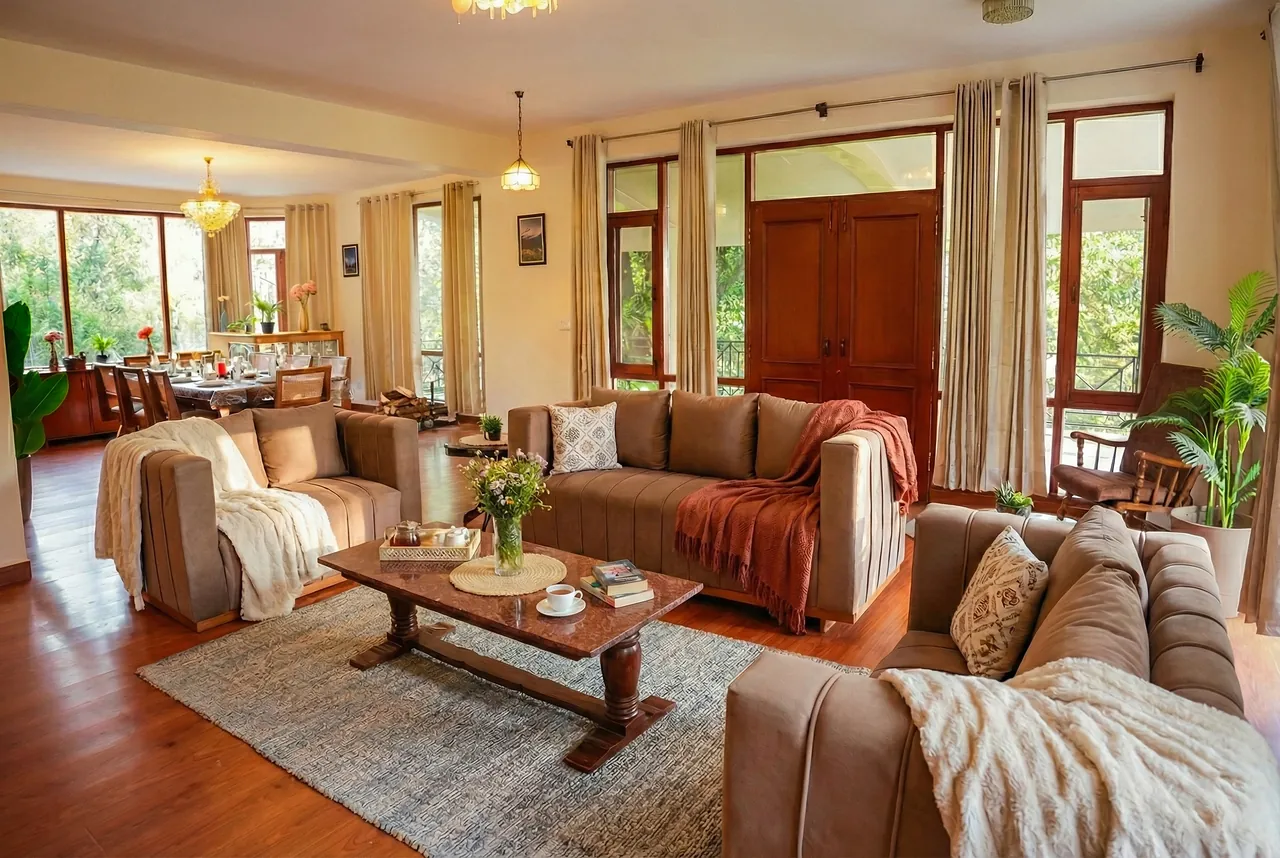
The catch: rooms without proper heating are miserable. Many smaller homestays use weak electric blowers that struggle below 5°C. Choose accommodation with serious heating before you book — room heaters that actually work, hot water that runs reliably, and ideally a fireplace.
What to pack
Indians often under-pack for Manali winter. Don't.
Essential:
- One properly insulated heavy jacket (puffer or fleece-lined)
- Two thermal layers (not just one — you'll alternate)
- Wool or fleece beanie
- Gloves (waterproof if you'll touch snow)
- Scarf or neck-warmer
- Closed waterproof shoes — sneakers will soak through in 10 minutes of snow
- Two pairs of warm socks per day
- Moisturiser and lip balm — high altitude + cold air = chapped everything
Useful but optional:
- Sunglasses — snow glare is real
- Sunscreen — UV is stronger at altitude even when it's freezing
- A flask for hot chai on outings
- A book — winter evenings are long and lovely
You don't need:
- "Mountaineering" boots — overkill unless you're hiking
- Multiple jackets — pack one good one, not three mediocre ones
- Umbrellas — they're useless in mountain wind
What's open, what's closed
Open all winter:
- Manali town itself — restaurants, shops, hotels, cafés (most)
- Solang Valley road — snow chains needed sometimes, but accessible
- Old Manali cafés — Drifter's, Lazy Dog, Café 1947 stay open year-round
- Atal Tunnel and the road to Sissu in Lahaul (closes briefly in heavy snow)
- Naggar Castle, Roerich Estate
Closed in winter:
- Rohtang Pass (closes ~early November to ~late May/early June)
- Hampta Pass trek and most upper-altitude treks
- Some smaller cafés and homestays close December–February
- Paragliding in Solang — operators don't fly in snow
Sometimes affected:
- The Manali–Chandigarh highway can have brief closures during heavy snow days. Build a buffer day if you're driving.
- Power can flicker during heavy snowstorms. Modern hotels have backup; check before booking.
- Mobile signal in Solang and beyond can be patchy.
What to actually do
Winter is not the season for "see four sights a day" tourism. The light is shorter (sunset around 5:30pm), driving takes longer, and most people want to spend more time inside than out. That's the point.
Snow play in Solang
Drive up by 10am, find an untouched patch off the main tourist plaza, sit in it, throw some, take photos that aren't crowded with people. Lunch at one of the dhabas. Back home by 3pm.
Skiing and snowboarding (if there's enough snow)
Solang has basic slopes with rented gear. Sethan (the village beyond Hamta turnoff) has the better, less commercialised snowboarding scene — locals run a small operation there in heavy snow years.
The drive through Atal Tunnel
This is winter's secret pleasure. Drive 25 minutes through the tunnel and you're in Lahaul on the other side — a completely different climate, often clearer, with brown desert mountains catching gold light. Lunch at a Sissu dhaba, drive back. The contrast between sides is striking.
Old Manali café days
Winter is when Old Manali feels like the version of itself it's supposed to be. Empty streets. Café fireplaces lit. Slow conversations. Walk down from your stay, spend the afternoon at one café, walk back at 4pm before it gets cold-cold.
Doing very little
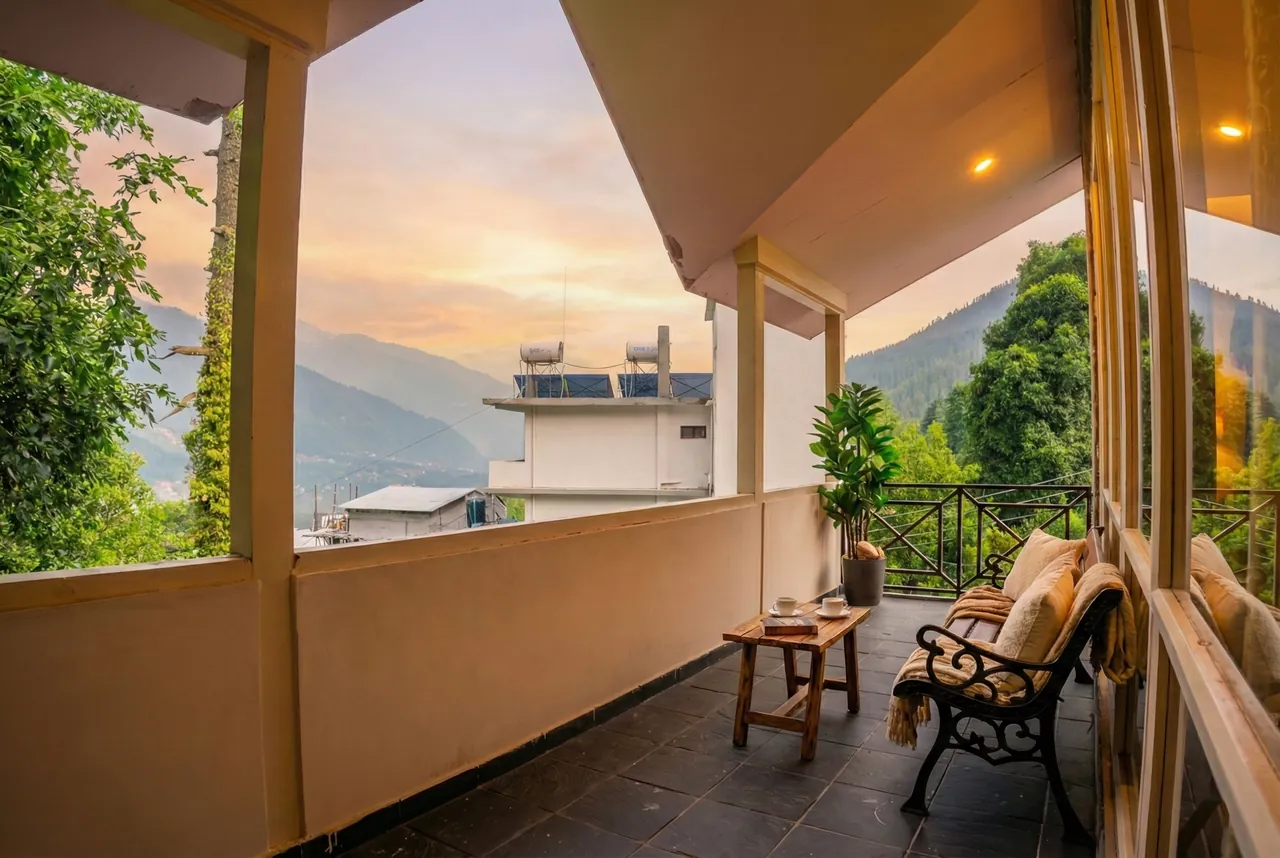
The most luxurious thing about winter Manali is the permission to do nothing. A book by a window. A long bath. A bonfire after sunset. An early dinner. The ten-minute walk in fresh snow before bed. People plan elaborate winter itineraries; the best one is mostly about staying warm in a beautiful place.
Christmas and New Year — the warning
The week between December 24 and January 2 is Manali's most expensive, most overcrowded, most unpredictable week. Hotel rates 2–3× normal. Roads jammed. And the snow you're hoping for might not show up that specific week — most years it actually arrives a week or two later.
If you want New Year's Eve in Manali, fine — but book three months ahead, expect to pay heavily, and be prepared for it to feel more like a packed Goa beach than a quiet hill town.
If you want winter without the chaos: come the second or third week of January instead. Same snow, half the crowd, two-thirds the cost.
The case for winter
Summer in Manali is everyone's idea. Winter is for people who actually like Manali.
The forests are quieter. Wood smoke hangs in the cold air at dusk. Cafés have fires going. Restaurants serve hot stews you wouldn't order in summer. Sleeping under heavy blankets feels different from sleeping under a fan. Mornings begin slowly. Evenings end early. The whole pace shifts.
It's the most romantic season here, by some distance. Anniversaries, honeymoons, quiet escapes — they all feel correct in winter Manali in a way they don't quite feel in May. Snow makes a town look like a postcard. Bare trees and stone houses look like a film.
The tradeoff is genuine — fewer activities, shorter days, real cold — but if your idea of a holiday is reading a book, walking in the forest, eating something slow-cooked, and sitting near a fire, winter Manali will be the trip you remember most.
One last practical note
Wherever you stay in winter, ask three questions before you book:
- How is the room heated, and does it stay warm at 2am?
- Is there reliable hot water at 6am?
- Is there a working fireplace or bonfire pit, and is wood included?
If the answer to any of these is fuzzy, look elsewhere. Cold rooms ruin trips. Warm rooms in cold places make them.